24 Dec
When Is It Time to Refurbish a Commercial Washroom?
Commercial washrooms are high-use spaces, and over time even well-built facilities begin to show signs of wear. Knowing when to refurbish a commercial washroom can help prevent hygiene issues, reduce maintenance costs, and improve the experience for staff, visitors and customers.
A refurbishment is not always about appearance alone. In many cases, it becomes necessary to address compliance, accessibility, or operational problems that affect how a building functions day to day.
Visible Wear and Deterioration
One of the clearest indicators that refurbishment is needed is visible wear. Cracked tiles, damaged partitions, worn flooring and ageing fixtures are common in washrooms that have been in constant use for many years.
While these issues may appear cosmetic at first, they often lead to deeper problems such as water ingress, hygiene risks and increased maintenance requirements.
Persistent Maintenance Issues
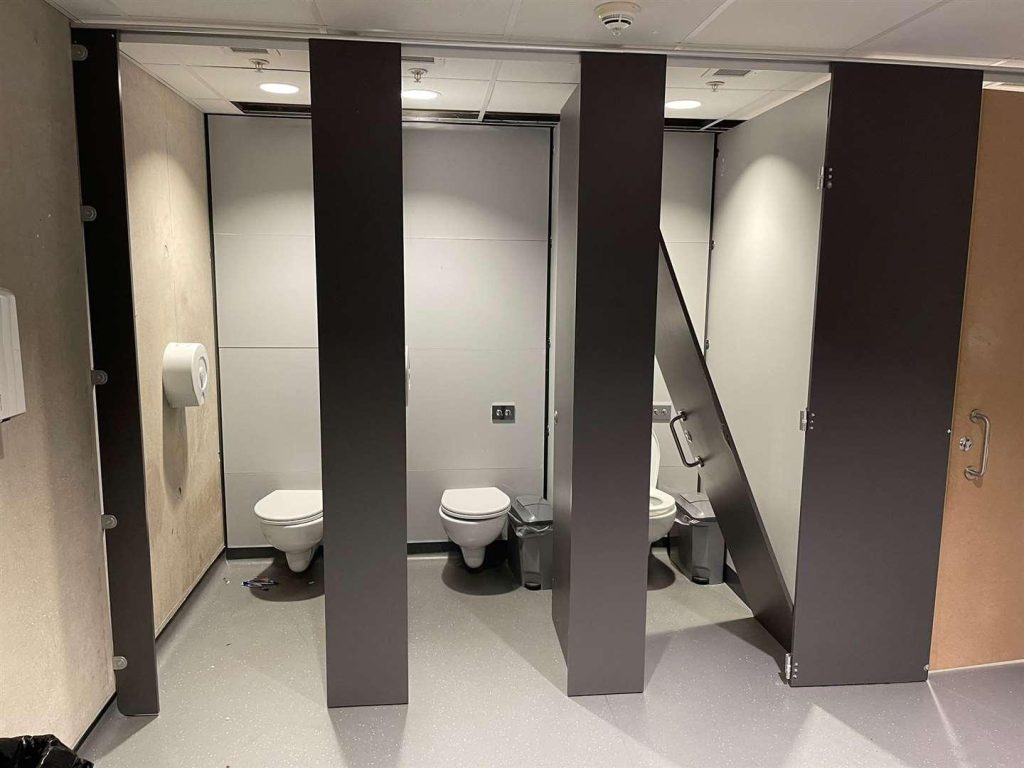
If a washroom requires frequent repairs, it may be more cost-effective to refurbish rather than continue patching individual problems. Repeated plumbing issues, loose fittings and failing finishes often signal that the original installation is reaching the end of its practical lifespan.
A refurbishment allows underlying issues to be resolved properly, reducing ongoing disruption and long-term costs.
Hygiene and Cleanability Concerns
Modern commercial washrooms are designed with hygiene as a priority. Older installations often include materials and layouts that are harder to clean, creating areas where bacteria and grime can build up.
If cleaning teams struggle to maintain standards despite regular cleaning, refurbishment may be required to introduce more hygienic surfaces, improved layouts and better ventilation.
Accessibility and Compliance Changes
Regulations and expectations change over time. A washroom that met requirements when it was installed may no longer be compliant with current accessibility standards.
Refurbishment provides an opportunity to introduce or improve disabled and accessible facilities, ensuring the washroom is usable by everyone and aligned with current building regulations.
Changes in Building Use or Occupancy
As buildings evolve, washrooms may no longer be suitable for how they are used. An increase in staff numbers, a change in tenant profile or a shift in how the space is accessed can all place new demands on existing facilities.
Refurbishing the washroom allows layouts, capacity and fittings to be adjusted to suit current operational needs.
Poor First Impressions
Washrooms play a significant role in how a business is perceived. For clients, visitors and employees alike, outdated or poorly maintained facilities can reflect negatively on an organisation.
A refurbishment can modernise the space, improve comfort and create a more professional impression without requiring a full rebuild.
Refurbishment vs Full Replacement
Not every project requires a complete strip-out and rebuild. In some cases, a targeted refurbishment focusing on key areas such as partitions, finishes or fittings may be sufficient.
An experienced contractor can assess whether a partial refurbishment will deliver the required improvements or if a full overhaul is the more practical long-term solution.
Minimising Disruption During Refurbishment
Many commercial washroom refurbishments take place in live environments. With proper planning, work can be phased or scheduled to minimise disruption to staff and building users.
Clear communication and experienced project management are essential to keep the facility operational where possible throughout the refurbishment process.
Planning a Commercial Washroom Refurbishment
If you are experiencing ongoing maintenance issues, hygiene concerns or compliance challenges, it may be time to consider refurbishing your commercial washroom.
Early assessment and professional advice can help define the scope of works, manage budgets effectively and ensure the finished washroom meets both operational and regulatory requirements.
B&A Installations provide commercial washroom refurbishment services designed to deliver durable, compliant and easy-to-maintain facilities. If you would like to discuss a refurbishment project, our team can advise on the most suitable approach for your site.